A white paper disposable glass is a service tool, not simply a low-cost container: the cup, beverage, lid, sleeve and delivery method must work together. By the end, you will know how to assign cup sizes, choose construction and lids, test samples, and control waste and compliance risks for café orders in Bangalore.
Key takeaways
- Specify millilitres, rim diameter and lid compatibility before ordering.
- Choose capacity from the served drink volume, not the cup’s brim.
- Match cup walls and lids to beverage temperature, foam and toppings.
- Test filled cups for leaks, lid fit, stacking and transport stability.
How cafés use white paper glasses across drink orders
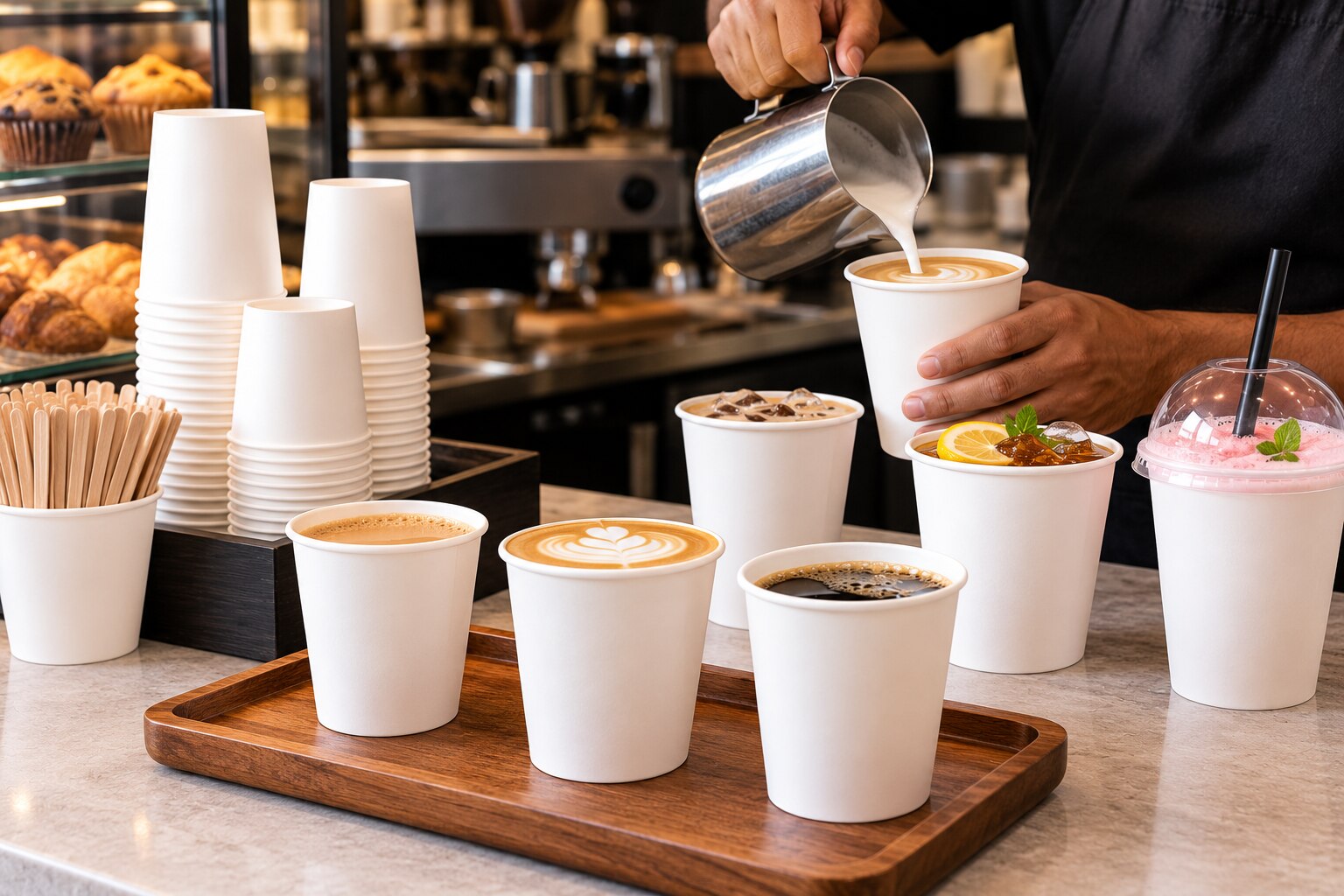
Use a white paper disposable glass when speed, portability or portion control matters more than reusable crockery. In Bangalore, “glass” usually means a single-use paper cup, so specify capacity in millilitres, rim diameter and lid compatibility to prevent packing errors.
| Order setting | Best use | Drinks that suit it |
|---|---|---|
| Dine-in | Quick service, overflow seating or tasting portions | Espresso, tea and coffee |
| Takeaway | Lidded drinks carried by the customer | Tea, coffee, lemonade, juice and cold coffee |
| Delivery | Short-to-medium journeys with a secure lid | Cold coffee, milkshakes, juice and carbonated drinks |
| Catering | Consistent portions and fast distribution | Tea, coffee, lemonade and juice |
| Events | High-volume service with simple collection | Tea, coffee, juice, lemonade and soft drinks |
Choose a stronger cup and well-fitting lid for freshly prepared hot tea or coffee. Add a sleeve when the cup transfers uncomfortable heat, and test the filled cup at the intended holding time; a room-temperature water test will not reveal every hot-liquid leak. Milkshakes and carbonated drinks need lids that resist pressure and spills.
For how cafes use white paper disposable glasses in Bangalore, count delivered usable units rather than cartons alone. Reject warped rims, loose lids, leaking bases and crushed cups during packing. Remember that a polymer-lined cup with beverage residue is not automatically clean recyclable paper; follow your waste contractor’s accepted-material instructions.
Choose capacity by served volume, not the brim
A 240 ml cup does not mean 240 ml of beverage: its nominal capacity is measured to the brim, leaving no room for a lid, foam, ice movement or spill control. Measure the drink you actually hand over, then select a cup that leaves roughly 10–15% headspace; leave more for carbonated drinks and foam-heavy milkshakes.
| Served volume | Nominal cup capacity | Practical fit |
|---|---|---|
| 60–90 ml | 90–120 ml | Espresso, tasting tea or a small concentrated drink |
| 150–200 ml | 180–240 ml | Regular tea, coffee, juice or lemonade |
| 250–320 ml | 300–360 ml | Large takeaway coffee, cold coffee, milkshake or carbonated drink |
Treat these as starting points, not fixed recipes. A 200 ml iced lemonade with ice needs a larger cup than 200 ml liquid alone, while a 200 ml hot tea needs space below the lid for safe carrying. A milkshake’s foam can force a 300 ml serving into a 360 ml cup.
Test every menu size with the actual recipe. Pour the finished tea, coffee, juice, lemonade, milkshake, cold coffee or carbonated drink into a measuring jug, including ice and garnish, then check the lid closes without touching the surface. Record that delivered volume against the cup’s printed capacity.
For a white paper glass for cafes, order by millilitres and usable fill line, not “small” or “large”; this prevents underfilled orders and leaking overfilled cups.
Match cup construction and lid to the beverage
Choose wall construction and lid together: single-wall cups suit sleeved hot drinks or immediate service, while double-wall and ripple-wall cups improve hand comfort without a separate sleeve. They also take more storage space and usually cost more.
| Construction | Handling effect | Best fit |
|---|---|---|
| Single-wall | Transfers heat quickly; cold drinks show more exterior condensation | Sleeved tea, coffee, juice and short service times |
| Double-wall | Reduces heat transfer and can limit hand contact with condensation | Hot takeaway drinks and longer carrying times |
| Ripple-wall | Adds an air gap and grip around the outer wall | Hot coffee, tea and delivery orders without sleeves |
The inner coating prevents liquid from soaking into the paper. A polymer-lined cup resists softening better than an uncoated cup, but it still needs a strong rim; a weak rim can deform when the lid is pressed on and cause leaks.
For cold drinks, condensation can wet the outside, labels and carrier, so choose a construction that keeps the surface firm rather than relying on paper thickness alone.
In paper disposable glass drink service, match the lid opening to the drink:
- Use a secure sip-through lid for tea and coffee; the raised drinking channel also directs hot liquid away from the rim.
- Use a dome lid with a wide opening for milkshakes and thick cold coffee, which need headroom and a straw.
- Use a snug flat lid with a straw or sipping opening for juice, lemonade and carbonated drinks.
- Specify the cup rim diameter, lid type and sleeve requirement together; a lid that fits the capacity but not the rim will spill.
Test the complete cup system before ordering
To judge how cafes use white paper disposable glasses in Bangalore, test the cup, lid, sleeve and drink together—not an empty cup alone. Sample cups from several cartons, confirm the stated millilitre capacity, and use the nominated lid on every sample before approving a large order.
1. Fill cups with the hottest beverage normally served, close the lid, and hold them for the longest routine service interval. Record base leaks, side seepage, rim deformation and softening.
2. Repeat with iced drinks, oily beverages and carbonated drinks. Check for condensation, lining failure, foaming at the lid opening and liquid escaping when the cup is squeezed.
3. Carry filled cups on the actual takeaway tray and in the delivery bag. Tip each cup, stop suddenly and place it on uneven surfaces; reject lids that pop off or cups that become unstable.
4. Hold the filled cup by its normal grip point, with and without the sleeve. If heat passes through quickly, the sleeve slips, or the rim becomes uncomfortable to touch, change the wall construction or sleeve size.
5. Count usable units after opening each carton. Include warped rims, loose lids, nesting damage and rejected cups in the failure record.
Ask Ankita Enterprises to quote the cup capacity, rim diameter, sleeve specification and compatible lid as one system, then compare delivered usable units rather than carton price. A two-week trial across peak and quiet periods exposes batch variation before every outlet receives the stock.
Related products
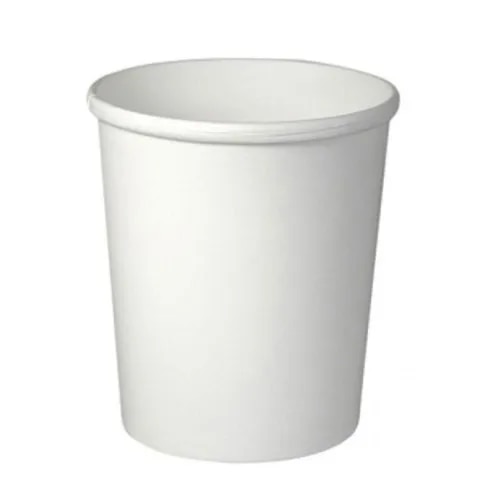 | Disposable Glass We are the Dealers of Food Containers, Sugarcane Bagasse Products, Brown Paper Bags & Pouches, Corrugated Pizza Box, Disposable Hand Gloves,... View product → |
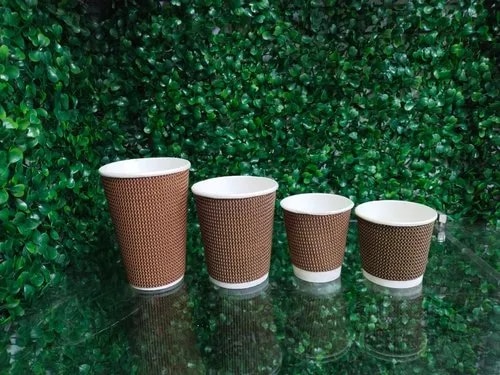 | Disposable Glass Printed Paper Disposable Glass We are the Dealers of Food Containers, Sugarcane Bagasse Products, Brown Paper Bags & Pouches, Corrugated Pizza Box, Disposable Hand Gloves,... View product → |
Control material records, waste and delivered cost
For white paper disposable glass usage in Bangalore, treat “330 GSM” as a specification to verify, not proof of quality. Ask for the paperboard basis-weight declaration, permitted tolerance and a sample matched to the supplied batch; GSM alone does not prove leak resistance, rim strength or food safety.
Keep a purchase file containing:
- Food-contact declarations for the paperboard, inks, adhesives and barrier coating, with migration or compliance evidence under applicable FSSAI packaging requirements.
- A material declaration identifying plastic in the lining, lid, sleeve and outer wrapping; a paper exterior does not automatically exempt a product from Central Pollution Control Board restrictions on specified single-use plastic items.
- The supplier’s batch number, invoice, delivery count and rejection record.
For disposal, ask your waste contractor whether it accepts used, polymer-lined cups, lids and contaminated paper separately. Beverage residue and plastic lining mean these cups should not enter the clean office-paper stream unless the contractor confirms that route.
Calculate cost per successfully served drink as: delivered purchase cost plus charged disposal cost, divided by cups that survive inspection, packing and service. Include warped rims, loose lids, nesting damage, leaks and rejected cups in the denominator loss. A lower carton price loses its advantage when fewer usable units reach customers.
Frequently asked questions
How do cafés use white paper glasses across drink orders?
Cafés use them for takeaway hot and cold drinks when speed, portability or portion control matters more than reusable crockery. Specify capacity, rim diameter and lid compatibility to avoid packing errors.
How do you choose paper glass capacity for a café drink?
Choose the cup from the drink’s served volume and leave room for foam, ice and a secure lid. Do not treat the brim capacity as the usable serving volume.
How should a café match cup construction and lid to the beverage?
Match the wall construction to temperature and handling, then select a lid that fits the rim and suits the drink. Test hot liquids, cold condensation, foam, toppings and transport before ordering.
What should cafés test before ordering white paper disposable glasses?
Test the complete cup system when filled: check leaks, lid fit, stacking, sleeve use, drinking comfort and stability during delivery. Include the actual beverage, ice and toppings.
How can cafés control material records, waste and delivered cost?
Record cup capacity, rim diameter, lid type, pack quantity, batch details and delivery losses. Compare delivered cost per usable cup, including lids, sleeves, rejects and waste.
Related product
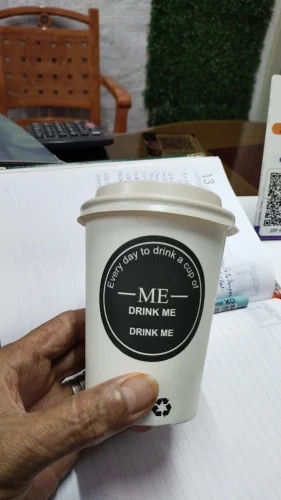 | Disposable Glass We are the Dealers of Food Containers, Sugarcane Bagasse Products, Brown Paper Bags & Pouches, Corrugated Pizza Box, Disposable Hand Gloves,... View product → |
Keywords