
A zipper pouch is useful only when its closure, film barrier, dimensions and filling method match the grocery product inside it. By the end, you will be able to choose suitable products, specify the pouch, run a reliable packing sequence and check whether local supply will withstand storage and delivery.
Key takeaways
- Use rectangular zipper pouches for dry, free-flowing groceries.
- Leave headspace for bulky products and prevent corner stress.
- Keep fine powders out of the zipper track and top seal.
- Test closure, seal strength, leaks and drop resistance before distribution.
Which grocery products suit a rectangular zipper pouch?
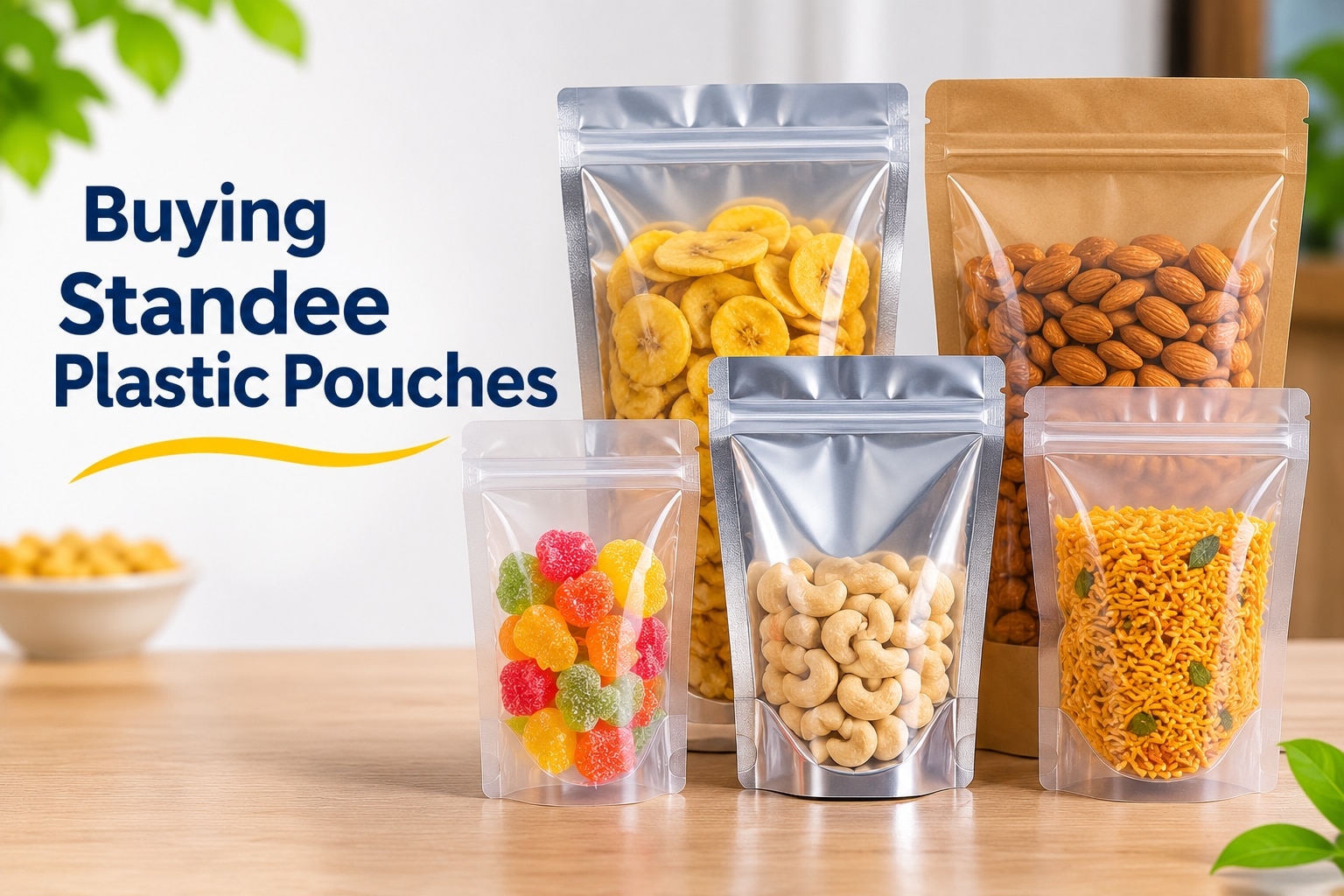
Rice, pulses, flour, spices, dry fruits and roasted snacks suit a rectangular zipper pouch when they are dry and free-flowing. Allow headspace for bulky pieces and avoid overfilling, or corner stress can puncture the film. Fine powders are difficult: particles trapped in the zipper track or top seal prevent continuous closure.
A zipper is a reclosure feature, not tamper evidence or a hermetic seal. For retail sale, add a heat seal above the zipper, tear notch, shrink band or another visible-opening feature. Zipper pouch packing for grocery products works best when you choose the pack by product behaviour, not appearance alone.
- Choose a zipper pouch for packaged food businesses needing reclosure, shelf-facing graphics and efficient carton use.
- Use a verified liquid-barrier seal system for wet, oily, liquid or highly leak-sensitive products; a zipper alone is unsafe.
- Select rounded or reinforced corners and puncture-resistant film for whole spices, pulses, dry fruits and roasted snacks.
| Option | Shelf and carton use | Reclosure, protection and headspace |
|---|---|---|
| Rectangular zipper pouch | Flat presentation; efficient cartons | Reusable closure; needs headspace and an external heat seal |
| Stand-up pouch | Strong shelf presence; moderate carton efficiency | Reclosure and gusset stability; suitable for dry goods |
| Laminated silver pouch | Good light and moisture barrier | No built-in reclosure unless added; needs filling headspace |
| Paper pouch | Natural appearance; easy carton packing | Limited moisture, grease and puncture resistance |
| Transparent pouch | Product visibility; efficient display | Low light protection; use for stable dry goods |
| Rigid container | Excellent stacking and puncture resistance | Strong leak control; higher storage and carton volume |
| Heat-sealed plain polybag | Low-cost, compact cartons | No reclosure; suitable for dry products with low leak risk |
How should you match pouch dimensions and film to the filled product?
Specify the pouch against the filled product, not an empty sample. Record target fill weight, bulk density, particle size, headspace, pouch length, width, gusset, zipper position and finished dimensions after filling; bulky snacks, pulses and dry fruits need room for expansion, corner stress and stable standing.
- Define the product, fill weight and required headspace, then approve filled length, width, gusset and usable internal volume.
- Select film against shelf life and distribution exposure: PET/PE suits general dry goods; metallised PET/PE adds light and moisture protection; foil laminate suits a justified higher-barrier requirement.
- Approve thickness, opacity, grease and puncture resistance, oxygen and moisture barrier, ink, adhesive and coating. Specify food-contact suitability, a declaration of compliance and relevant migration or conformity records under Indian food-packaging requirements.
- Choose the zipper position and verify its function. A reusable consumer zipper is not a tamper-evident retail closure; heat-seal above it when the pack needs visible opening protection.
- Approve a physical or production-intent sample, checking stable standing, rounded or reinforced corners, gusset folds and adequate seal width.
- Set measurable acceptance criteria for a zipper pouch for packaged food businesses: finished-dimension tolerances, laminate structure, seal width, closure function, print registration and defect limits for pinholes, wrinkles, open seals and delamination.
These rectangular pouch order steps prevent a nominally correct pouch from becoming unstable, hard to seal or too small after filling. A supplier should also confirm film, ink, adhesive, coating and closure documentation rather than relying on “food grade” alone.
What is the rectangular zipper pouch packing process for grocery products in Bangalore?
Begin with an incoming inspection: count the empty pouches, check dimensions, zipper alignment, gussets, print registration, pinholes and delamination, then reject damaged units. The rectangular zipper pouch packing process for grocery products in Bangalore must match the pouch to the equipment before production starts.
| Method | Suitable pouch format | Main control |
|---|---|---|
| Manual | Preformed bag | Operator opens, fills, cleans and closes each pouch |
| Semi-automatic | Preformed bag with compatible opening | Machine weighs or dispenses product; operator manages presentation and checks |
| Automatic | Machine-compatible preformed pouch or open-fill-seal rollstock | Confirm zipper position, stiffness, registration marks and dimensional tolerance |
Follow this sequence:
- Weigh the product to the approved net quantity and fill each pouch only to the defined height.
- Open the pouch fully, fill without damaging the zipper, and remove excess air when the product and film allow it.
- Inspect the zipper track, brush or clean flour, spice and other powder from the mouth and seal area, then close the zipper.
- Apply the top heat seal above the zipper using documented temperature, dwell-time and pressure windows validated for that laminate and machine.
A zipper that closes during hand sampling can fail in production because flour or spice particles hold the track open or create a discontinuous heat seal. For zipper pouch packing for grocery products, treat the zipper as a reclosure feature; use the top heat seal and any required tear notch or other tamper-evident feature separately.
After sealing, code the lot or batch, date information and required declarations, inspect seal width and continuity, count pouches into bundles, carton them and prepare dispatch for gyms, stores, supermarkets or delivery orders.
What should a rectangular pouch order and supply process include?
A low-rework rectangular pouch order steps sequence starts with the filled product, not an empty sample. Define product, fill weight, bulk density, particle size, headspace, filling method and filled dimensions before selecting a laminate or zipper.
A zipper pouch for packaged food businesses also needs measurable acceptance criteria: seal width, dimensional tolerances, closure function, print registration and defect limits. Ankita Enterprises can help coordinate local Bangalore supply, but confirm actual stock, food-contact records and the approved specification.
- Approve filled-pouch length, width, gusset, zipper position and stability after filling.
- Select the laminate, thickness, opacity, barrier and zipper suited to the product and shelf life.
- Reserve an artwork declaration panel for product identity, net quantity, applicable date information, lot or batch identification, manufacturer or packer details and maximum retail price under Indian labelling and packaged-commodities requirements.
- Approve artwork before cylinder, plate or digital-print production.
- Approve a physical or production-intent sample on the intended filling equipment.
- Specify pouch quantity, pieces per bundle, bundle wrapping, carton count and delivery location.
- Release production only after checking the supplier’s specification, food-contact declaration and relevant conformity or migration records.
The rectangular zipper pouch supply process has two routes:
| Route | Advantage | Constraint |
|---|---|---|
| Distributor stock | Faster replenishment | Limited sizes, prints and colours |
| Converter-made | Specified structures, dimensions and graphics | Scheduling and commonly a minimum order quantity |
For either route, record allowable open seals, seal wrinkles, pinholes, delamination and zipper failure before accepting stock. Preformed bags and automatic lines also require different opening, stiffness, registration and dimensional tolerances.
Related products
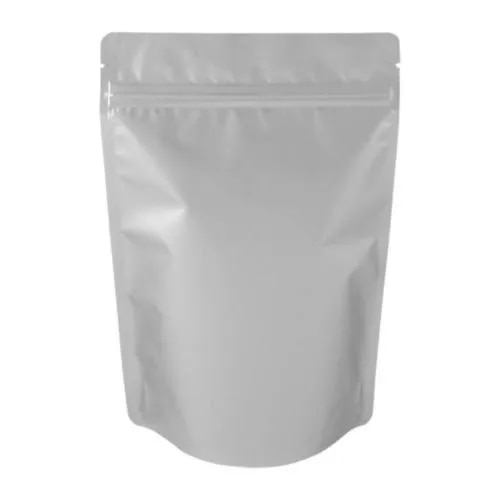 | Packaging Pouch We are the Dealers of Food Containers, Sugarcane Bagasse Products, Brown Paper Bags & Pouches, Corrugated Pizza Box, Disposable Hand Gloves,... View product → |
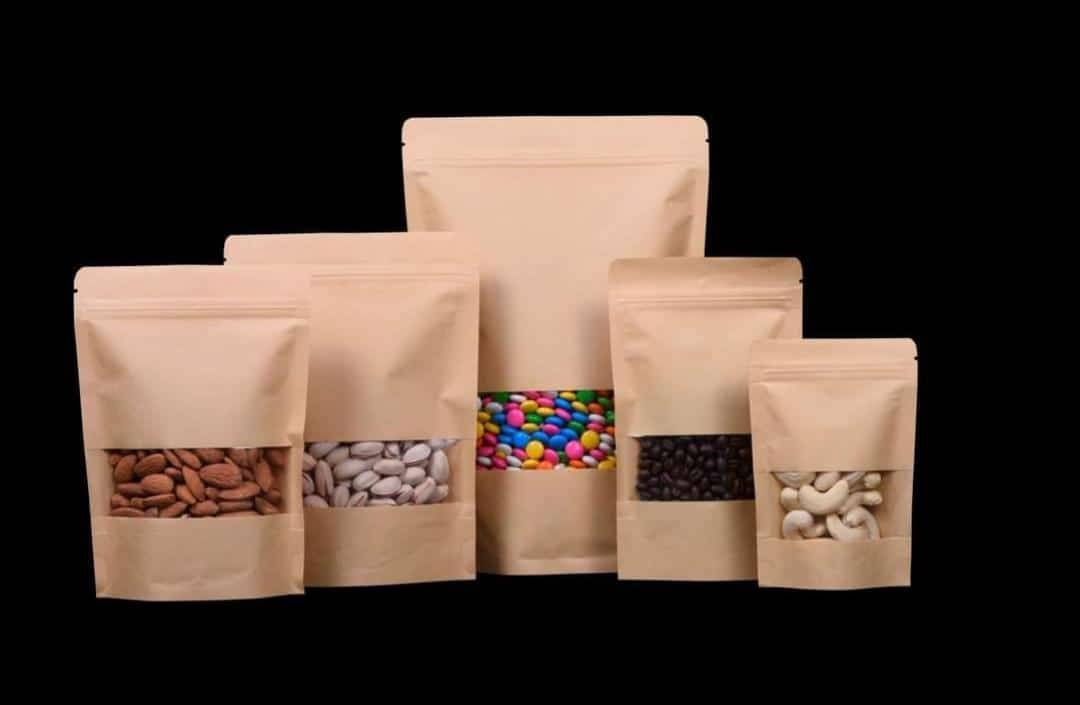 | Packaging Pouch Ziplock Pouches For Food Items We are the Dealers of Food Containers, Sugarcane Bagasse Products, Brown Paper Bags & Pouches, Corrugated Pizza Box, Disposable Hand Gloves,... View product → |
How can you test a filled pouch before Bangalore distribution?
A filled production-intent carton is the only useful test sample. Use the intended fill weight, closure configuration, headspace and carton arrangement; an empty pouch will not reveal corner stress, unstable stacking or seal failure.
- Pack the target product, then record pouch dimensions and carton weight. Check that rectangular faces remain stable and that the zipper and heat seal close without product trapped in the mouth.
- Apply the planned warehouse stack and compression load. Inspect corners, gusset folds, delamination, pinholes, punctures and crushed or leaking seals.
- Run vibration and drop tests that reproduce Bangalore warehouse movement and delivery handling. Examine corner punctures, zipper-track separation and weak or wrinkled top seals after each stage.
- Open and reclose the zipper repeatedly, then expose packed samples to the expected heat and humidity. Store them for the intended period and check crispness, clumping, aroma and moisture protection.
- Compare failures across cartons, not only one pouch. A rectangular face improves shelf presentation and carton utilisation, but corners concentrate stress; use adequate seal width, reinforced or rounded corners and sufficient tear and puncture resistance for pulses, whole spices, dry fruits and roasted snacks.
Write pass/fail criteria into the rectangular zipper pouch supply process: filled dimensions and tolerances, laminate structure, seal width, closure function and allowable defects. This makes zipper pouch packing for grocery products measurable. Also check Plastic Waste Management Rules and applicable extended-producer-responsibility obligations; multilayer flexible pouches can be harder to collect and recycle than mono-material formats.
Frequently asked questions
Which grocery products suit a rectangular zipper pouch?
Dry, free-flowing products such as rice, pulses, flour, spices, dry fruits and roasted snacks suit rectangular zipper pouches. Bulky pieces need extra headspace to reduce corner stress.
How should you match pouch dimensions and film to the filled product?
Match pouch width, height and gusset to the product’s volume, particle size and shape. Select film for barrier needs, puncture resistance and seal performance, then leave enough headspace for closure.
What does a rectangular zipper pouch packing process include?
The process includes inspecting empty pouches, filling the product without contaminating the zipper track, removing excess product from the seal area, closing the zipper and checking the top seal.
How can you test a filled pouch before Bangalore distribution?
Check zipper engagement, top-seal continuity, leakage, punctures and corner damage. Perform a controlled drop and compression check, then inspect the pouch again before dispatch.
Related products
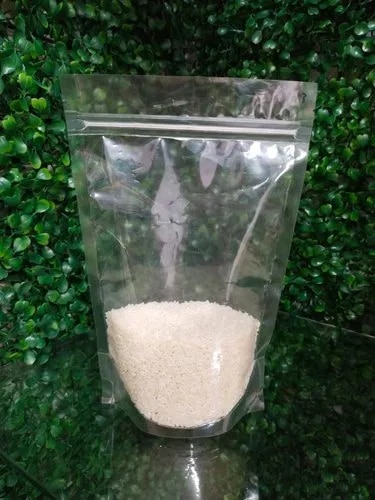 | Packaging Pouch We are the Dealers of Food Containers, Sugarcane Bagasse Products, Brown Paper Bags & Pouches, Corrugated Pizza Box, Disposable Hand Gloves,... View product → |
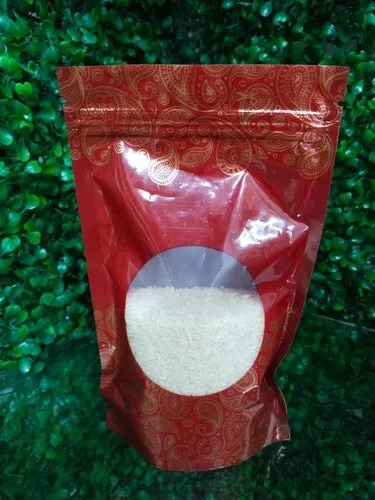 | Packaging Pouch Red Plastic Pouch For Rice Packaging We are the Dealers of Food Containers, Sugarcane Bagasse Products, Brown Paper Bags & Pouches, Corrugated Pizza Box, Disposable Hand Gloves,... View product → |
Keywords